
What does this Cuban cinema film catalog offer?
Selection and classification criteria
Cultural and educational relevance of the catalog

Adorables mentiras
Director: Gerardo Chijona
Year: 1991
Running time: 108 min
Where to watch:
https://www.youtube.com/watch?v=799n8b1SK0c
Analysis:
https://amaelespanol.com/en/analysis-of-adorables-mentiras/
Discourse analysis (Spanish Version):
https://amaelespanol.com/adorables-mentiras-analisis-discursivo/
Linguistic analysis (Spanish Version):
https://amaelespanol.com/analisis-linguistico-de-adorables-mentiras/
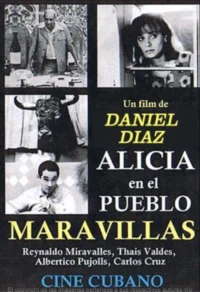
Alicia en el pueblo de Maravillas
Director: Daniel Díaz Torres
Year: 1991
Running time: 99 min
Where to watch:
https://www.youtube.com/watch?v=J6VJGNxeJUk
Discourse analysis (Spanish Version):
https://amaelespanol.com/alicia-en-el-pueblo-de-maravillas-analisis-discursivo
Linguistic analysis (Spanish Version):
https://amaelespanol.com/analisis-linguistico-de-alicia-en-el-pueblo-de-maravillas/
Podcast (Spanish Version):
https://youtu.be/8fTgxPpVZvM https://youtu.be/x-IC9tsFMOM
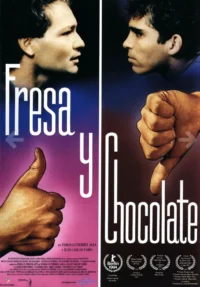
Fresa y chocolate
Director: Tomás Gutiérrez Alea/Juan Carlos Tabío
Year: 1993
Running time: 108 min
Where to watch:
https://www.youtube.com/watch?v=_cm0QfiR0Ho&t=4316s
Discourse analysis (Spanish Version):
https://amaelespanol.com/fresa-y-chocolate-analisis-discursivo/
Linguistic analysis (Spanish Version):
https://amaelespanol.com/fresa-y-chocolate-analisis-linguistico/
Podcast (Spanish Version):
https://youtu.be/KjztPSD66Ic https://youtu.be/rOEjShXqKIA

Guantanamera
Director: Juan Carlos Tabío
Year: 1995
Running time: 105 min
Where to watch:
https://www.youtube.com/watch?v=_lfBCLKdu2w
Discourse analysis (Spanish Version):
https://amaelespanol.com/guantanamera-analisis-discursivo/
Linguistic analysis (Spanish Version):
https://amaelespanol.com/analisis-linguistico-de-guantanamera/
Podcast (Spanish Version):
https://youtu.be/eVBd30assj0 https://youtu.be/EdiJmVBD20k
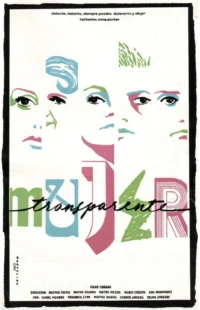
Mujer transparente
Director: Héctor Veitía/Mayra Segura/Mayra Vilasís/Mario Crespo/Ana Rodríguez
Year: 1990
Running time: 82 min
Where to watch:
https://www.youtube.com/watch?v=oNchyI2hITg
Analysis:
https://amaelespanol.com/en/analysis-of-mujer-transparente/
Discourse analysis (Spanish Version):
https://amaelespanol.com/mujer-transparente-analisis-discursivo/
Linguistic analysis (Spanish Version):
https://amaelespanol.com/analisis-linguistico-de-mujer-transparente/
Podcast (Spanish Version):
https://youtu.be/T-JqsqBmxD4
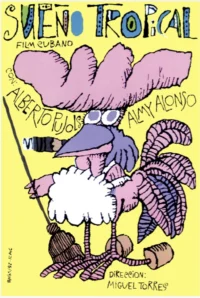
Sueño tropical
Director: Miguel Torres
Year: 1991
Running time: 75 min
Where to watch:
https://www.dailymotion.com/video/x8dtdyx