Learning Spanish also means discovering the Day of the Dead!
The Day of the Dead Altar in Mexico
What Distinguishes a Janal Pixán Altar?
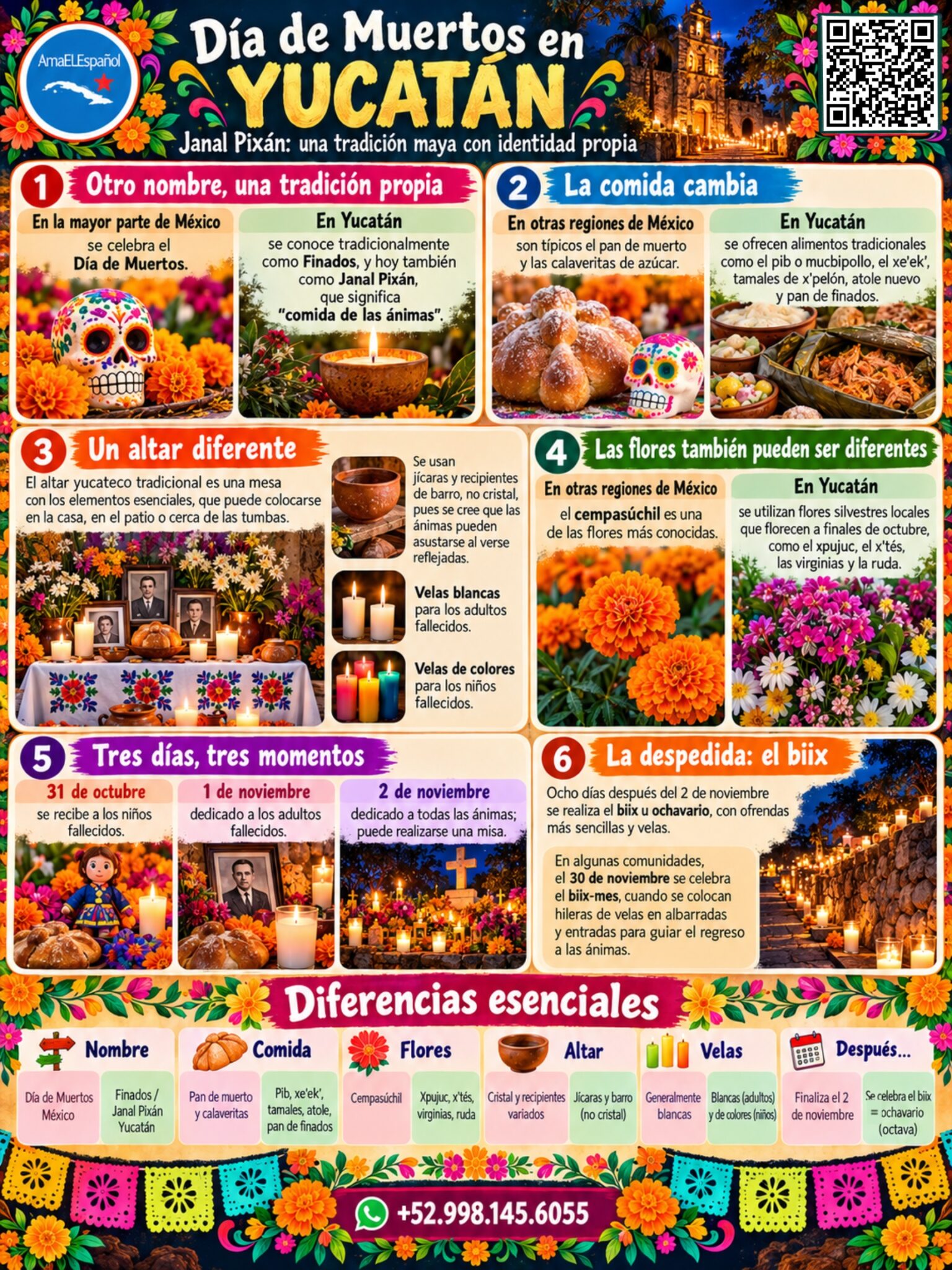
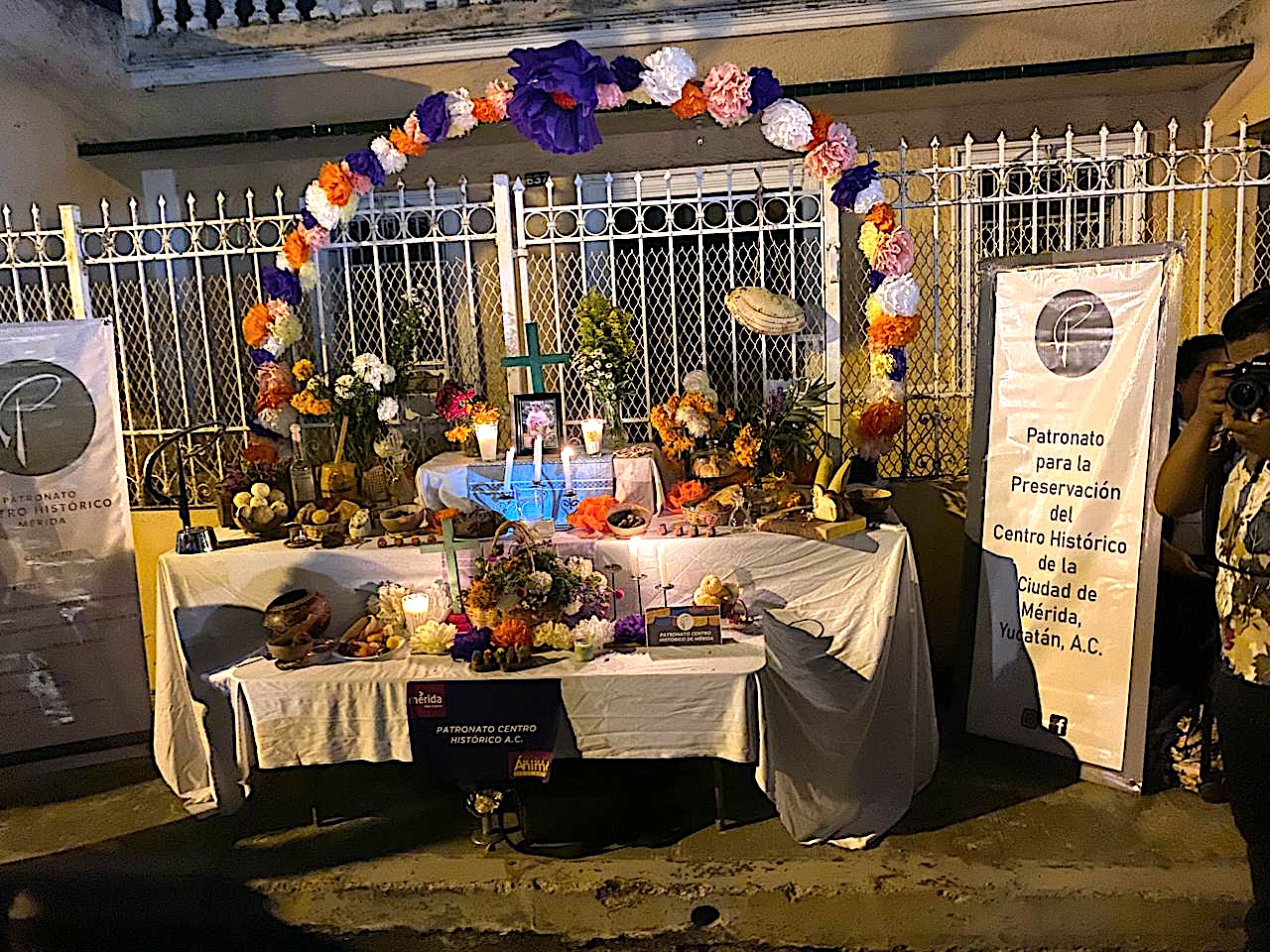
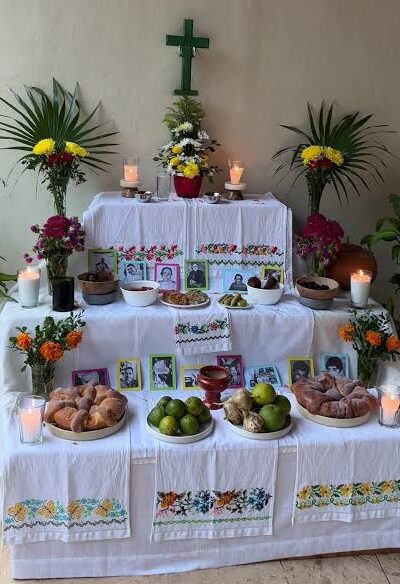
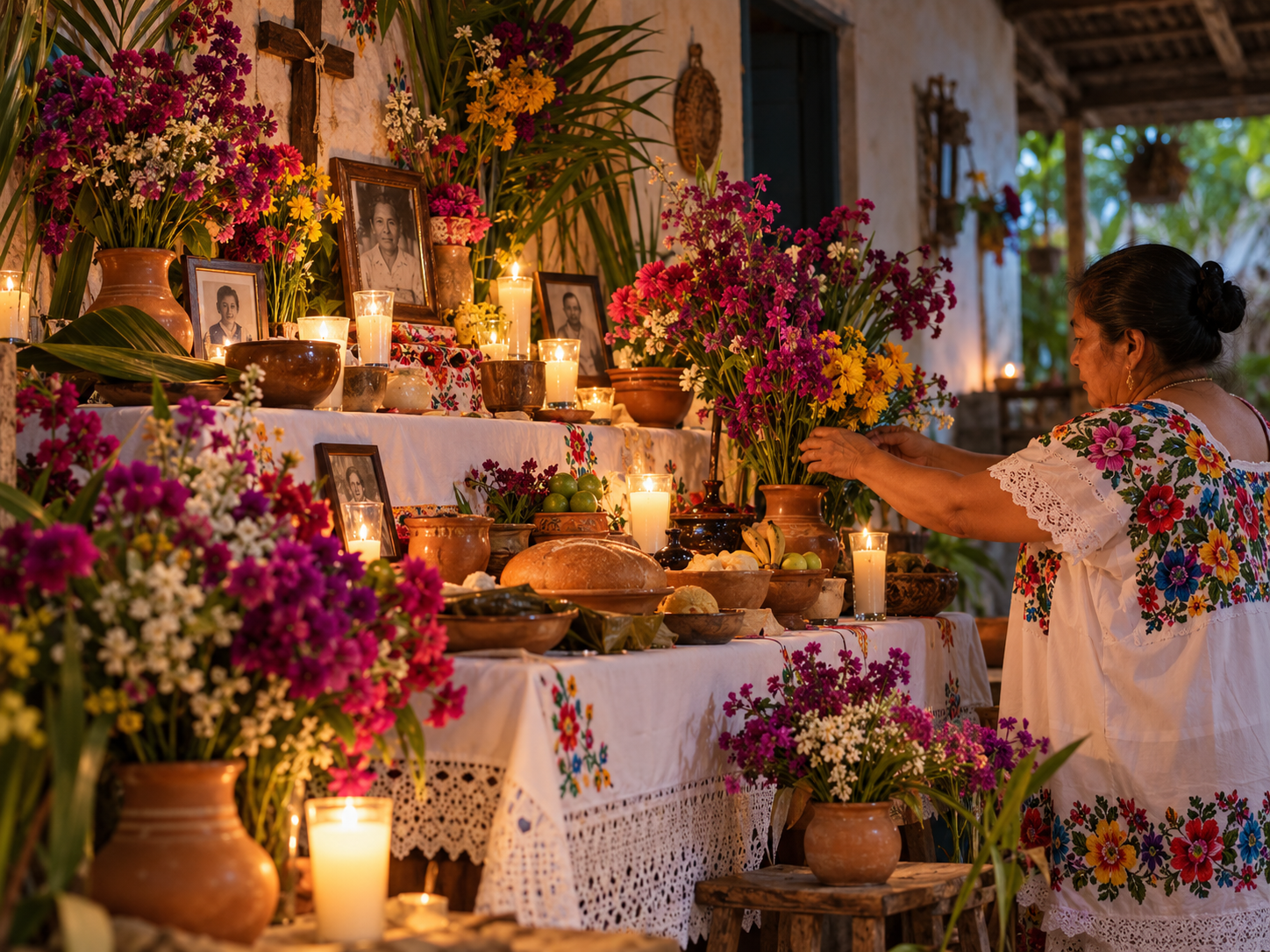
In Yucatán, the Janal Pixán altar preserves elements of the Maya and Yucatecan tradition and often differs from Day of the Dead altars found in other regions of Mexico. Food plays a central role, with regional dishes such as pib or mucbipollo, as well as fruit and drinks. Photographs, candles, flowers, and the presence of a cross, reflecting the coexistence of Maya and Christian traditions, are also common.
The floral decoration may also be different. While the marigold is the most emblematic Day of the Dead flower in much of Mexico, in Yucatán local flowers such as xpujuc, also known as amor seco and characterized by purple tones, and x’tes, with its fuchsia color and fan-like shape, may also be used. These flowers give the altar a distinctive regional appearance and reinforce the Yucatecan identity of Janal Pixán.
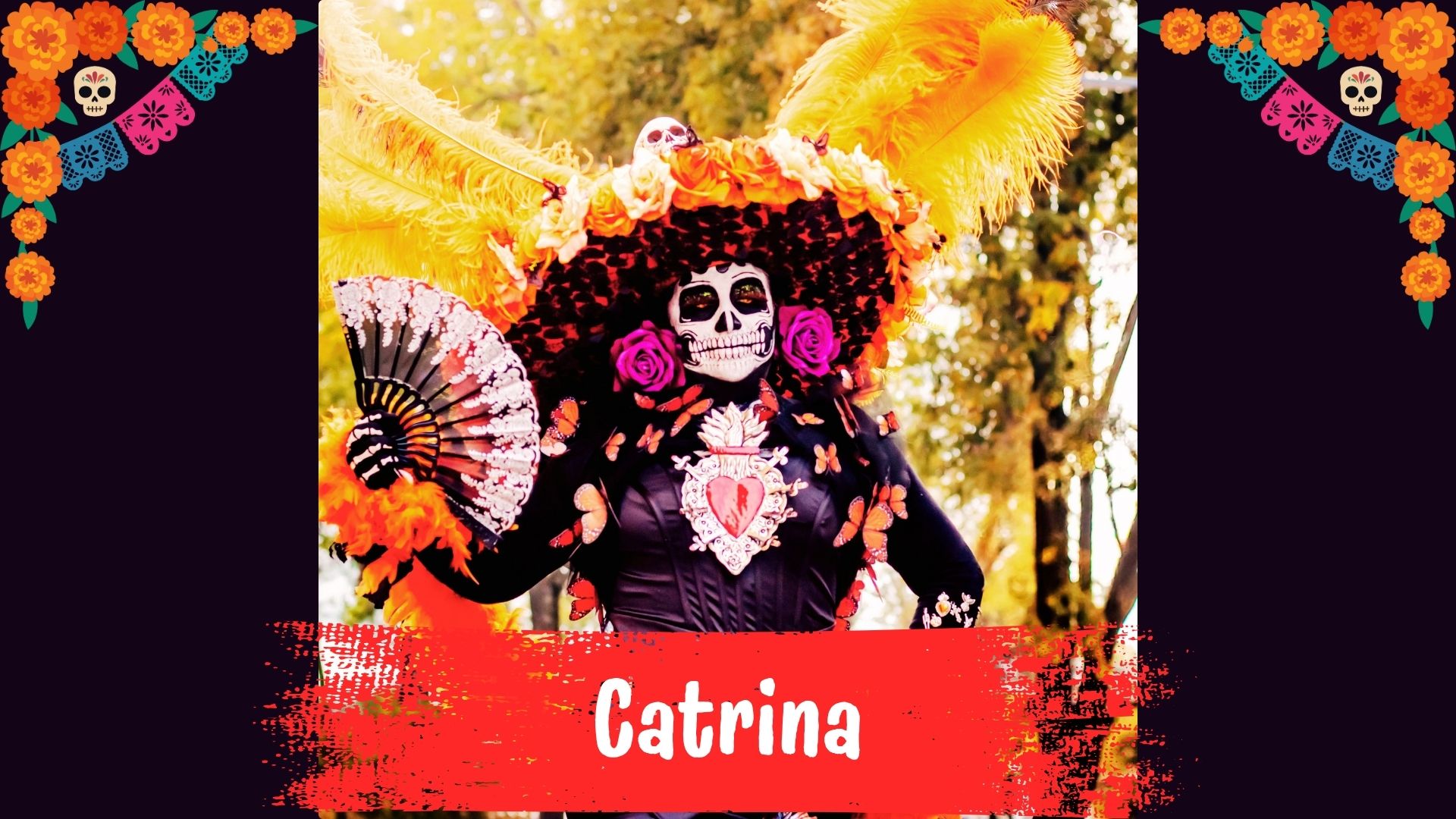
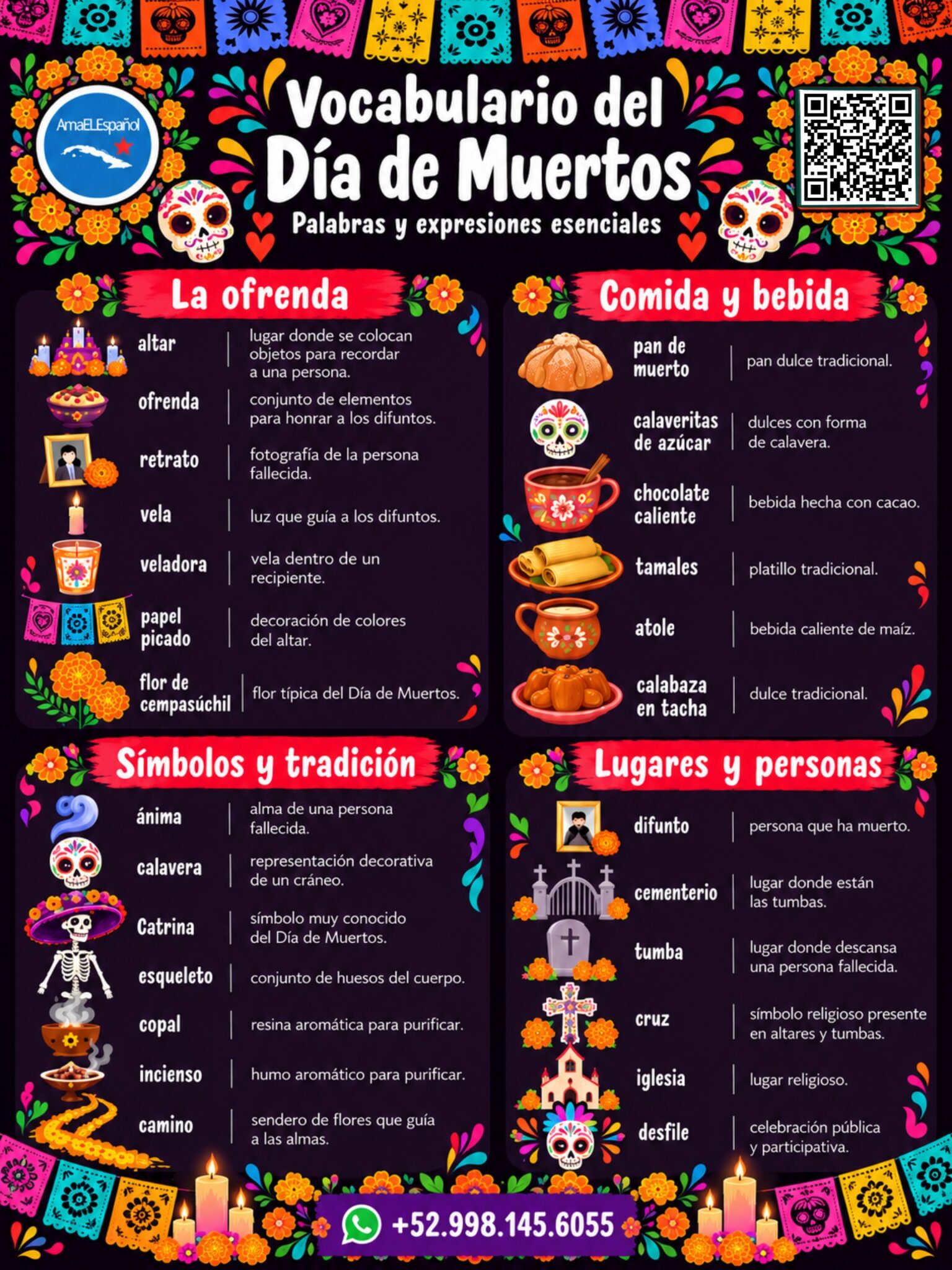
La Catrina is an elegant figure with a skull face who has become one of the best-known symbols of Day of the Dead. She often appears in parades, decorations, and celebrations. She represents a very Mexican way of looking at death through humor, art, and memory.
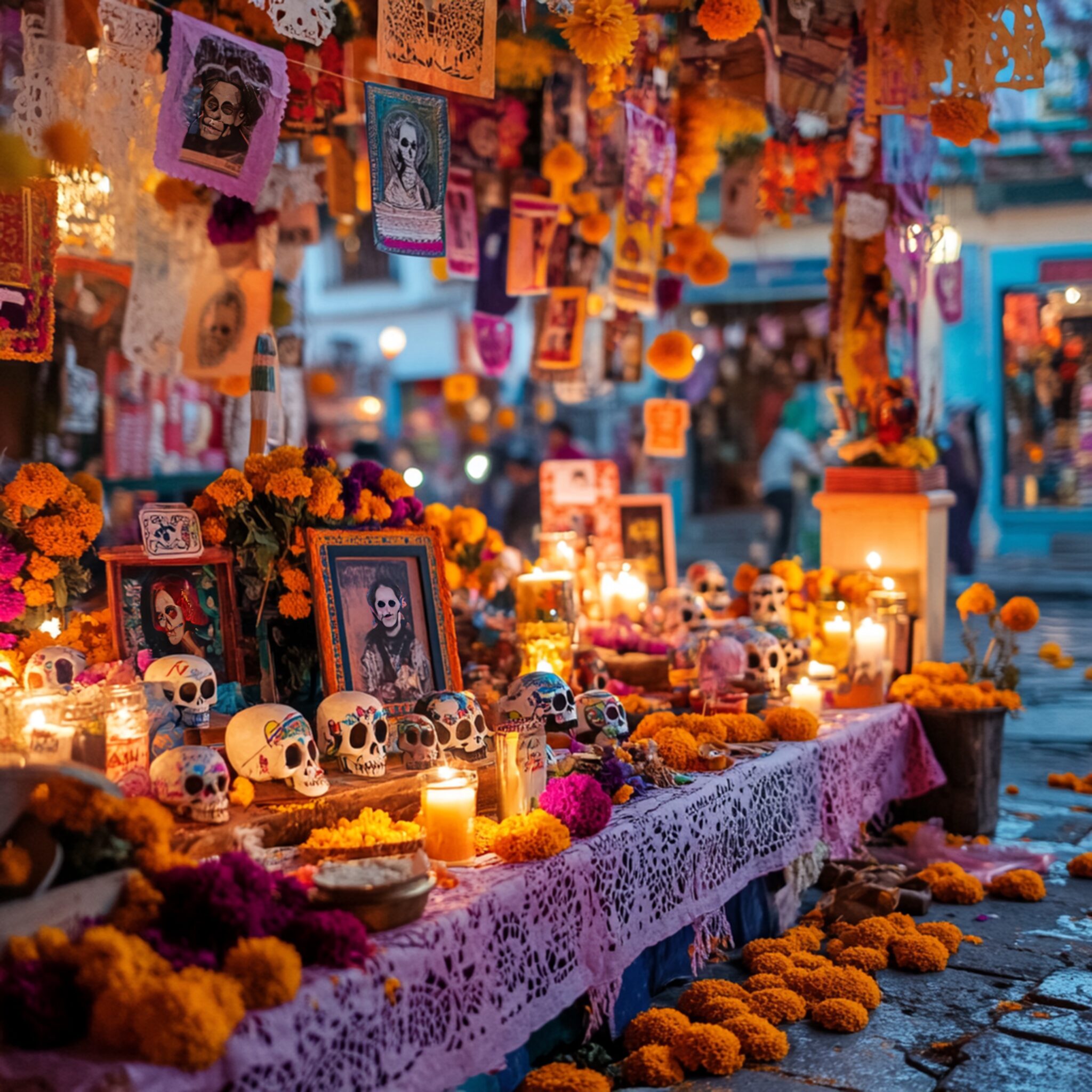
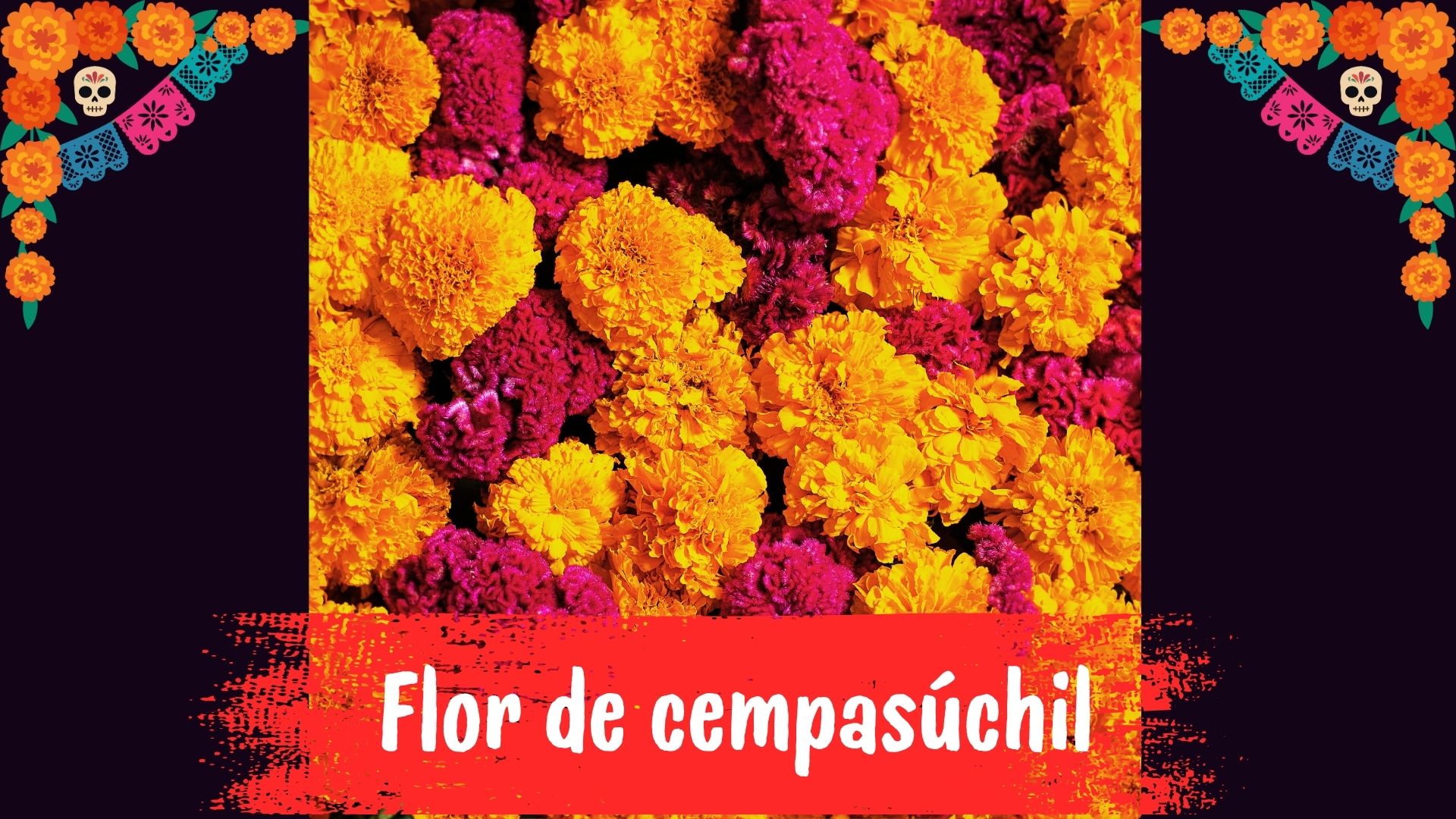
The marigold is one of the most representative flowers of Day of the Dead. Its intense orange color and fragrance are used to decorate altars and offerings. According to tradition, its petals symbolically help mark the path for the souls.
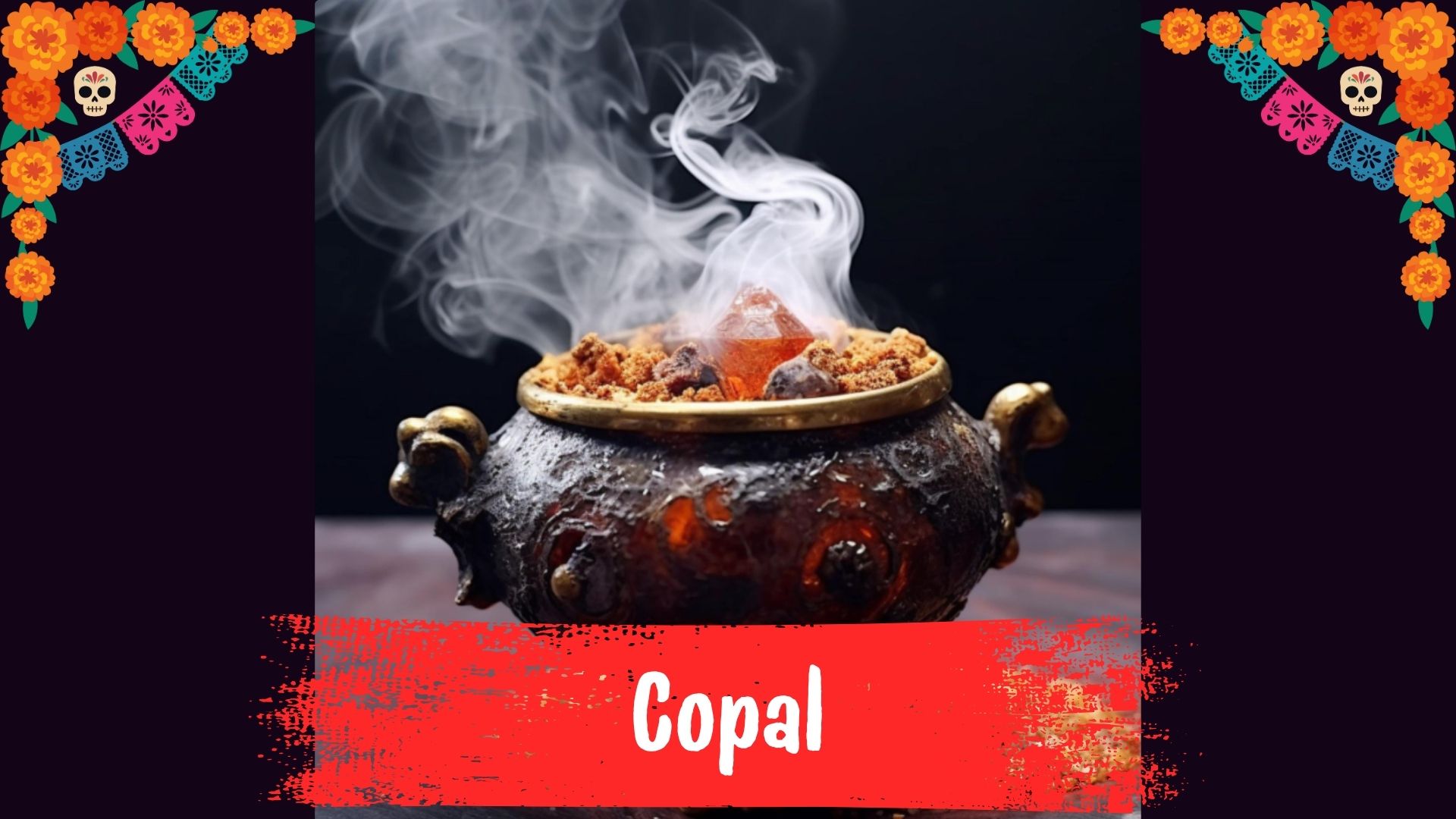
Copal is an aromatic resin that is burned during some ceremonies and offerings. Its smoke is traditionally associated with purification and with welcoming the souls. Its scent is very characteristic during this time of year.
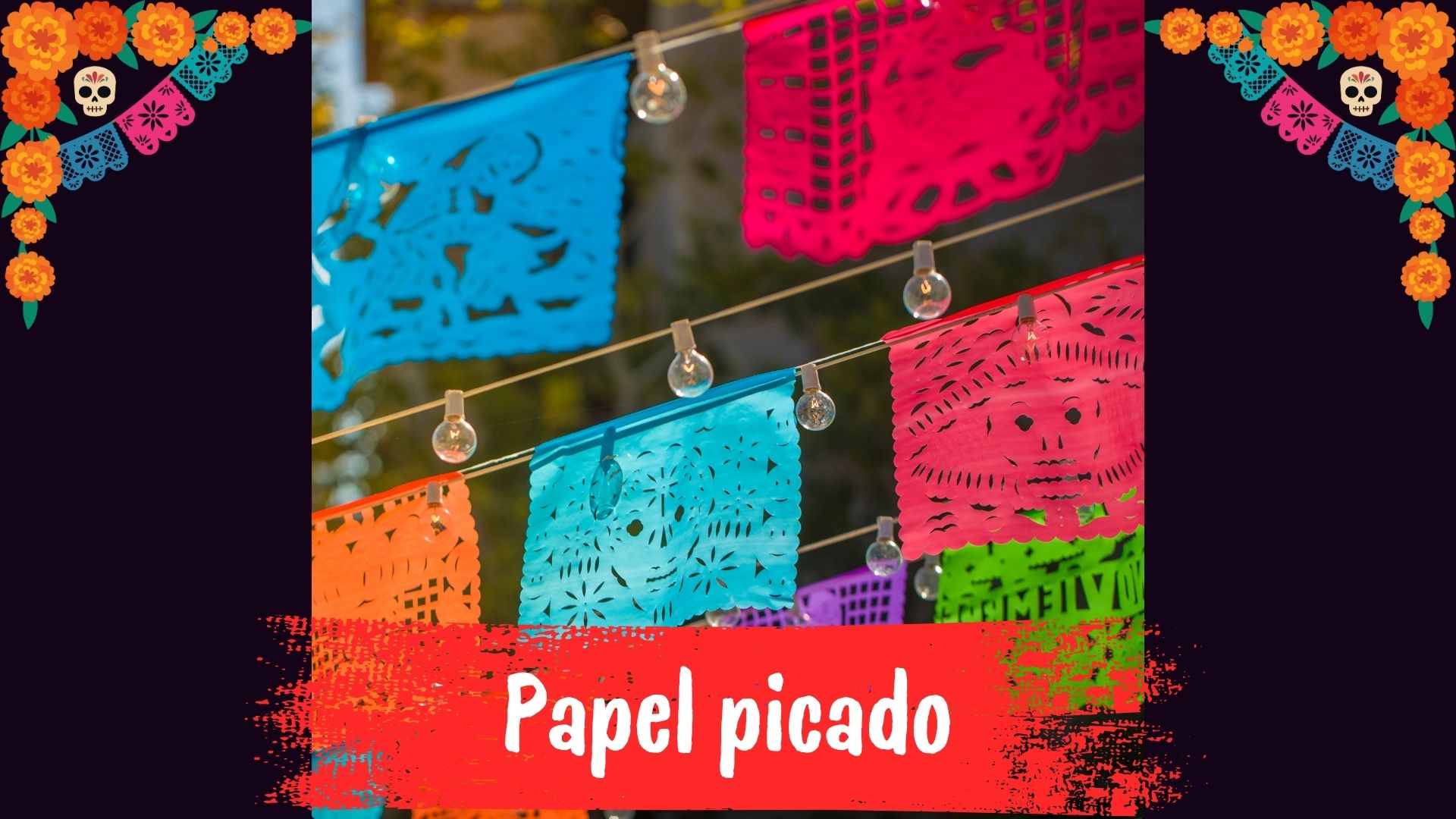
Papel picado is a decoration made from sheets of colored paper cut into different shapes and designs. It is placed on altars, in homes, and along streets during celebrations. It adds color and movement and is one of the most recognizable visual elements of Day of the Dead.
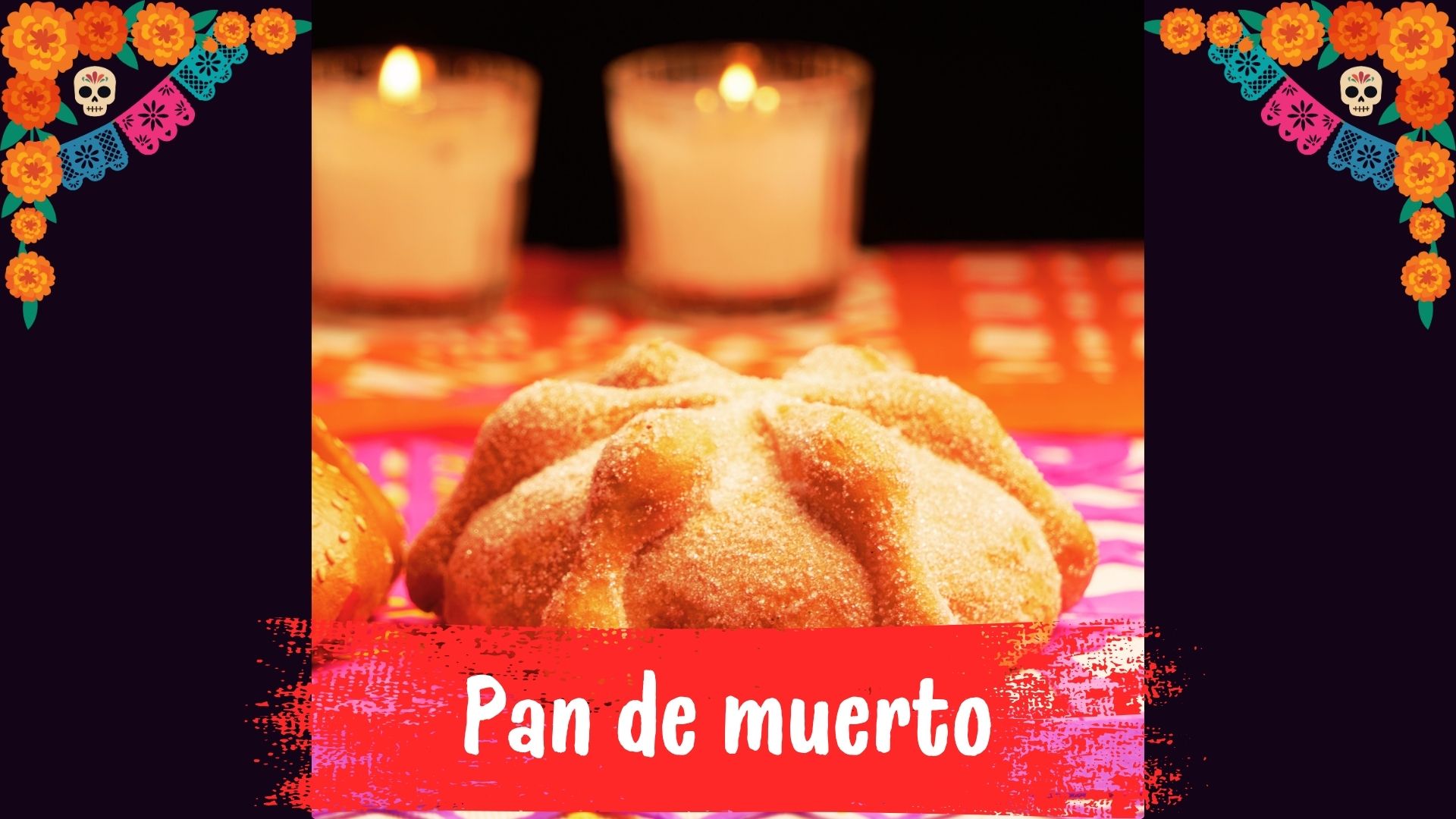
Pan de muerto is a traditional sweet bread prepared especially for Day of the Dead celebrations in many regions of Mexico. It is often placed on altars as an offering and is also shared with family during this time of year.
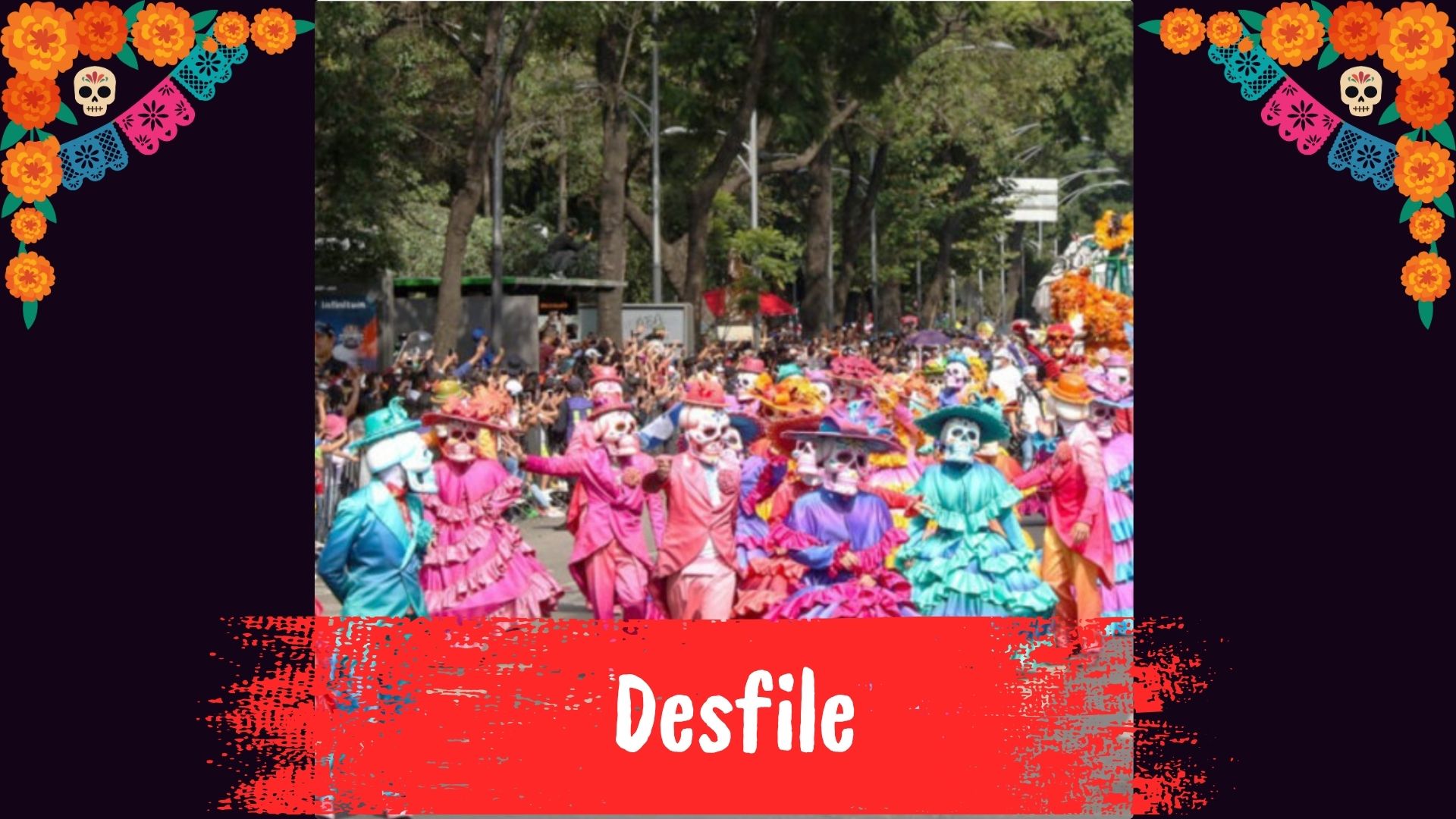
During Day of the Dead, parades and processions are organized in different parts of Mexico. In Mérida, Yucatán, the Paseo de las Ánimas is closely associated with Janal Pixán. The streets fill with altars, music, traditional clothing, and cultural activities.
Food for the Souls
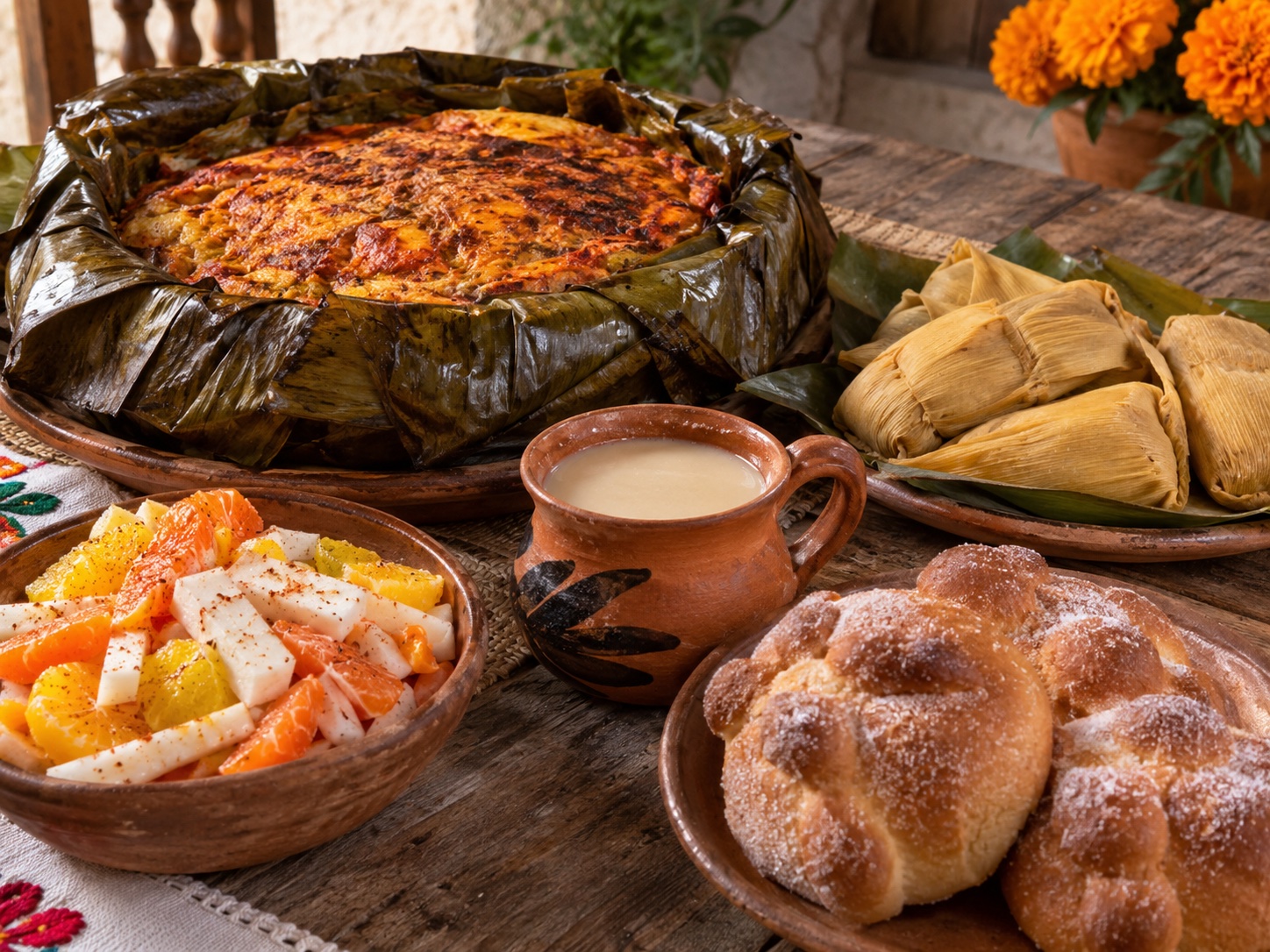
Food plays a fundamental role. On traditional Yucatecan altars, local foods often take center stage. While pan de muerto and sugar skulls are commonly associated with Day of the Dead in other parts of Mexico, Yucatecan altars may feature foods such as pib or mukbilpollo, tamales, atole, pan de finados, and xe’ek, a preparation made with jicama and citrus fruits.
Pib is probably one of the most representative foods of this season in Yucatán and is traditionally prepared by cooking it underground.
An Altar with Distinctive Elements
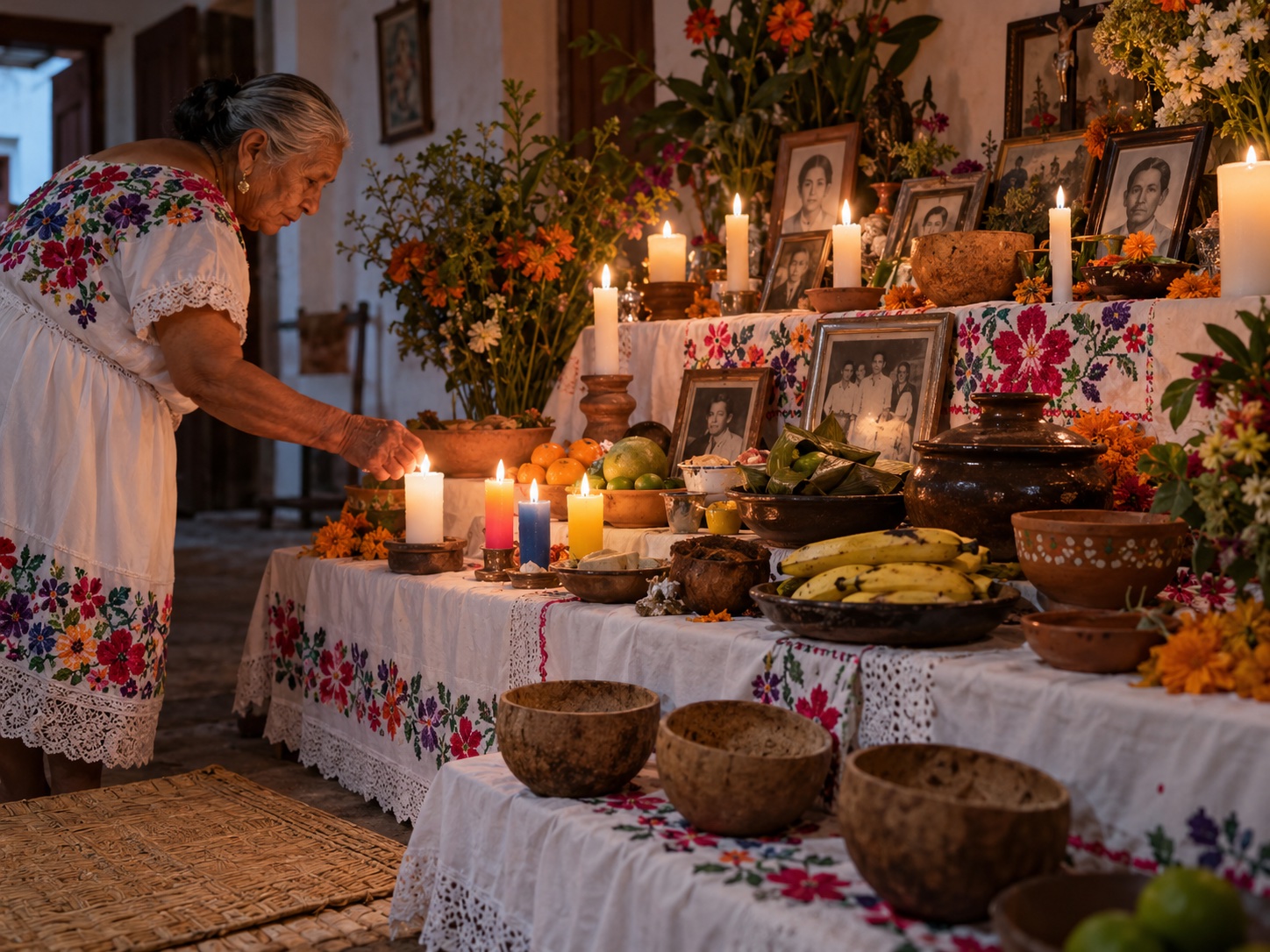
Traditional Yucatecan altars can also be distinguished by the objects used on them. Jícaras and clay containers are common. According to a traditional belief, glass containers are avoided because the souls might be frightened by seeing their reflection.
Candles can also indicate who the offering is dedicated to: traditionally, white candles are used for adults and colored candles for children.
The Flowers of Yucatán
In much of central Mexico, the marigold is the flower most closely associated with Day of the Dead. In Yucatán, however, local wildflowers that bloom during this season can also be found, such as xpujuc, known as amor seco (dry love), as well as other flowers native to the region.
For this reason, not all Day of the Dead altars have exactly the same colors, flowers, or decorations.
The Biix: Farewell to the Souls
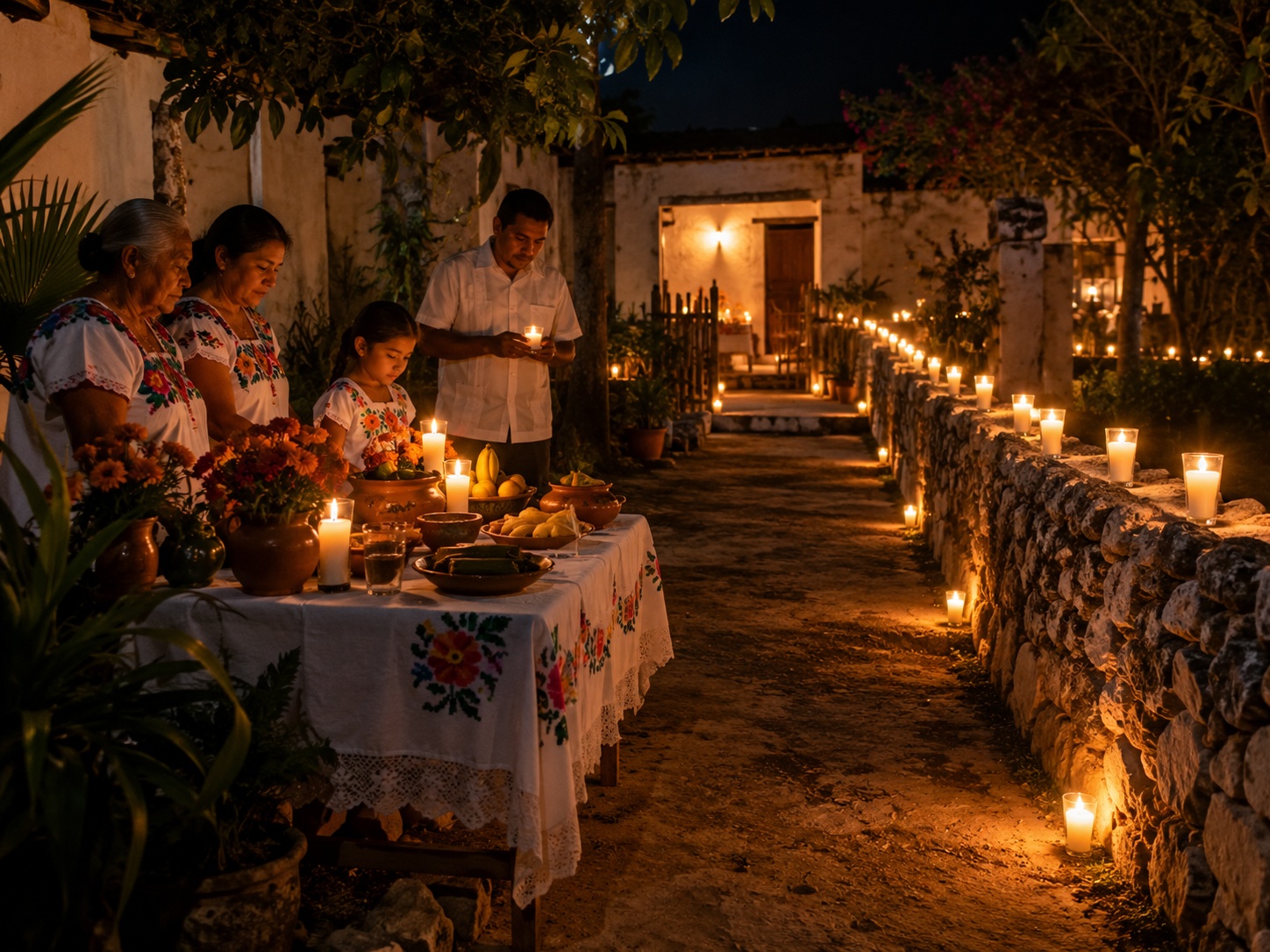
The celebration does not necessarily end on November 2. Eight days later, the biix may be observed, when food, offerings, and candles are once again placed to bid farewell to the souls.
In some communities, there is also the biix-mes toward the end of November. Candles placed at entrances and along traditional stone walls symbolically help show the souls the way back.