

Sueño tropical

Poster of the Cuban film Sueño Tropical (1991), a satire exploring gender inequality through a dream-based role reversal.

Subject: Oneiric inversion, naturalization and gender inequality in Cuban cinema Sueño Tropical articulates its proposal through a oneiric device that systematically inverts gender roles in order to make visible what, in everyday life, appears naturalized. Through the protagonist’s dream, the film displaces onto the male body experiences historically associated with women—domestic subordination, the overload of care… Seguir leyendo Sueño tropical

Analysis of Adorables mentiras

Poster of the Cuban film Adorables mentiras, featuring the main characters in a composition that suggests emotional conflict and social simulation.

The analysis of Adorables mentiras focuses on the articulation between gender, language, and the cinematic device as fundamental axes for understanding the social, symbolic, and affective dynamics that permeate Cuba in the late 1980s. Through ordinary characters and seemingly banal situations, the film reveals how double moral standards, structural machismo, the hierarchization of desire, and material precariousness… Seguir leyendo Analysis of Adorables mentiras

Adorables mentiras

Afiche de la película cubana Adorables mentiras, con los personajes principales y una composición visual que sugiere conflicto afectivo y simulación social.

Subject: Double Standards and Gender Issues Set in late-1980s Cuba, Adorables Mentiras offers a critical perspective on everyday life through a network of affective, professional, and symbolic relationships marked by simulation and inequality. Through characters positioned at different levels of power—the state official, the precarious intellectual, subordinated women, and marginalized figures—the film exposes how lying, silence, and… Seguir leyendo Adorables mentiras

Fresa y Chocolate film analysis

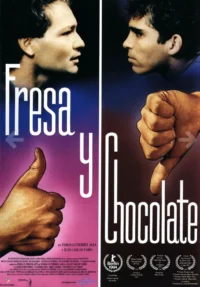
Fresa y chocolate (1993)

Fresa y Chocolate film analysis focuses on the construction of an interpersonal relationship that functions as a space of confrontation and mutual learning within a context marked by ideological intolerance and moral surveillance. Through the bond between its protagonists, the film explores mechanisms of exclusion, the rigidity of normative thinking, and everyday forms of social control… Seguir leyendo Fresa y Chocolate film analysis

Guantanamera Film Analysis

Cartel de la película cubana Guantanamera de Tomás Gutiérrez Alea y Juan Carlos Tabío.

Guantanamera film analysis focuses on the articulation of dark humor, social satire, and spatial movement as narrative devices that enable a transversal critique of bureaucracy, institutional inefficiency, and the degradation of social bonds in Cuba during the 1990s. Through an episodic structure and continuous movement across the territory, the film exposes the erosion of official discourse,… Seguir leyendo Guantanamera Film Analysis

Analysis of Mujer transparente

Mujer transparente (1990), película cubana que explora la experiencia femenina y la vida cotidiana en Cuba.

This analysis of Mujer Transparente focuses on a film composed of five interconnected narratives that trace women’s experiences in Cuba from the 1970s to the onset of the Special Period. Through a fragmented structure, the film examines the interplay between institutional discourse, intimate life, and female subjectivity. Analysis of Mujer Transparente (Synthetic Reading) The following section develops… Seguir leyendo Analysis of Mujer transparente

Alicia en el pueblo de Maravillas

Alicia in the Town of Wonders (1991), a Cuban satire by Daniel Díaz Torres that uses absurdity and allegory to critique bureaucracy and power through film language in Cuban cinema.

Subject: Cuban political satire in Cinema Alicia en el pueblo de Maravillas, directed by Daniel Díaz Torres, is a sharp example of political satire in Cuban cinema, set in a fictional town where a young theatre instructor uncovers an absurd system governed by surveillance, obedience, and bureaucratic language. Structured as a grotesque fable, the film… Seguir leyendo Alicia en el pueblo de Maravillas

Fresa y Chocolate

Fresa y chocolate (1993)

Subject: Diversity and tolerance in Cuban cinema Fresa y chocolate explores diversity and tolerance in Cuban cinema through the encounter between two ideologically opposed characters in 1990s Cuba. Set during a period of social and political tension, the film constructs a space of dialogue where sexuality, cultural identity, political commitment, and friendship intersect. Through a… Seguir leyendo Fresa y Chocolate

Guantanamera

Guantanamera (1995), Cuban satirical film directed by Tomás Gutiérrez Alea and Juan Carlos Tabío.

Subject: Cuban society, satire and everyday life Guantanamera is a Cuban film that uses satire and road-movie elements to portray the contradictions of everyday life in Cuba during the Special Period. Through a seemingly simple journey across the island, the film exposes bureaucratic absurdities, economic shortages and moral dilemmas, while offering a sharp but empathetic… Seguir leyendo Guantanamera