
Subject: Diversity and tolerance in Cuban cinema
Fresa y chocolate explores diversity and tolerance in Cuban cinema through the encounter between two ideologically opposed characters in 1990s Cuba. Set during a period of social and political tension, the film constructs a space of dialogue where sexuality, cultural identity, political commitment, and friendship intersect. Through a humanist and critical perspective, the story challenges prejudice and intolerance, revealing how personal relationships can question rigid ideological frameworks and open paths toward mutual understanding.
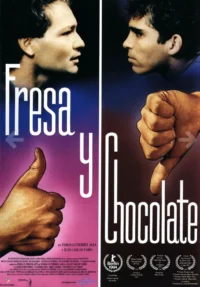
Technical details
Director
Tomás Gutiérrez Alea/Juan Carlos Tabío
Release year
1993
Running time
108 min
Country
Cuba
Cast
Jorge Perugorría
Vladimir Cruz
Mirtha Ibarra
Francisco Gattorno
Producer
Productora Internacional ICAIC/IMCINE/Tabasco Films/Telemadrid/SGAE
Plot
Synopsis
A cultured and socially marginalized homosexual man, who loves his country and its traditions, meets a young university student with literary interests, an active member of the Union of Young Communists. Between them, a friendship develops that gradually dismantles misunderstandings, prejudices, and intolerance.
Analysis
Discursive analysis (Spanish Version)
https://amaelespanol.com/fresa-y-chocolate-analisis-discursivo/
Linguistic analysis (Spanish Version)
https://amaelespanol.com/fresa-y-chocolate-analisis-linguistico/
Podcast (Spanish Version)
Where to watch
https://www.youtube.com/watch?v=_cm0QfiR0Ho&t=4316s
Tags
período especial, homosexualidad, estudios de género, cine cubano, emigración