Analysis of Adorables mentiras

Poster of the Cuban film Adorables mentiras, featuring the main characters in a composition that suggests emotional conflict and social simulation.

The analysis of Adorables mentiras focuses on the articulation between gender, language, and the cinematic device as fundamental axes for understanding the social, symbolic, and affective dynamics that permeate Cuba in the late 1980s. Through ordinary characters and seemingly banal situations, the film reveals how double moral standards, structural machismo, the hierarchization of desire, and material precariousness… Seguir leyendo Analysis of Adorables mentiras


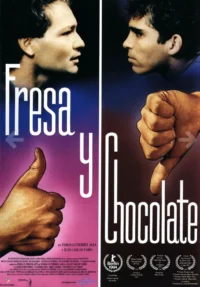
Fresa y Chocolate film analysis

Fresa y chocolate (1993)

Fresa y Chocolate film analysis focuses on the construction of an interpersonal relationship that functions as a space of confrontation and mutual learning within a context marked by ideological intolerance and moral surveillance. Through the bond between its protagonists, the film explores mechanisms of exclusion, the rigidity of normative thinking, and everyday forms of social control… Seguir leyendo Fresa y Chocolate film analysis

Guantanamera Film Analysis

Cartel de la película cubana Guantanamera de Tomás Gutiérrez Alea y Juan Carlos Tabío.

Guantanamera film analysis focuses on the articulation of dark humor, social satire, and spatial movement as narrative devices that enable a transversal critique of bureaucracy, institutional inefficiency, and the degradation of social bonds in Cuba during the 1990s. Through an episodic structure and continuous movement across the territory, the film exposes the erosion of official discourse,… Seguir leyendo Guantanamera Film Analysis

Analysis of Alicia en el pueblo de Maravillas

Alicia en el pueblo de Maravillas (1991), sátira del cine cubano dirigida por Daniel Díaz Torres que critica el burocratismo y el autoritarismo a través del absurdo.

The analysis of Alicia en el pueblo de Maravillas focuses on the use of satire and absurdity as discursive strategies to question bureaucratic logic and the mechanisms of power that permeate everyday life. Through a film language marked by irony, exaggeration, and repetition, the film stages the normalization of authoritarianism, surveillance, and the emptying of meaning within… Seguir leyendo Analysis of Alicia en el pueblo de Maravillas

Analysis of Mujer transparente

Mujer transparente (1990), película cubana que explora la experiencia femenina y la vida cotidiana en Cuba.

This analysis of Mujer Transparente focuses on a film composed of five interconnected narratives that trace women’s experiences in Cuba from the 1970s to the onset of the Special Period. Through a fragmented structure, the film examines the interplay between institutional discourse, intimate life, and female subjectivity. Analysis of Mujer Transparente (Synthetic Reading) The following section develops… Seguir leyendo Analysis of Mujer transparente